 gote
gote
gote
gote
Learn the species you see
Real nature photos, with questions that adapt as you learn — birds, plants, insects, fungi and more
 Coming soon onGoogle Play
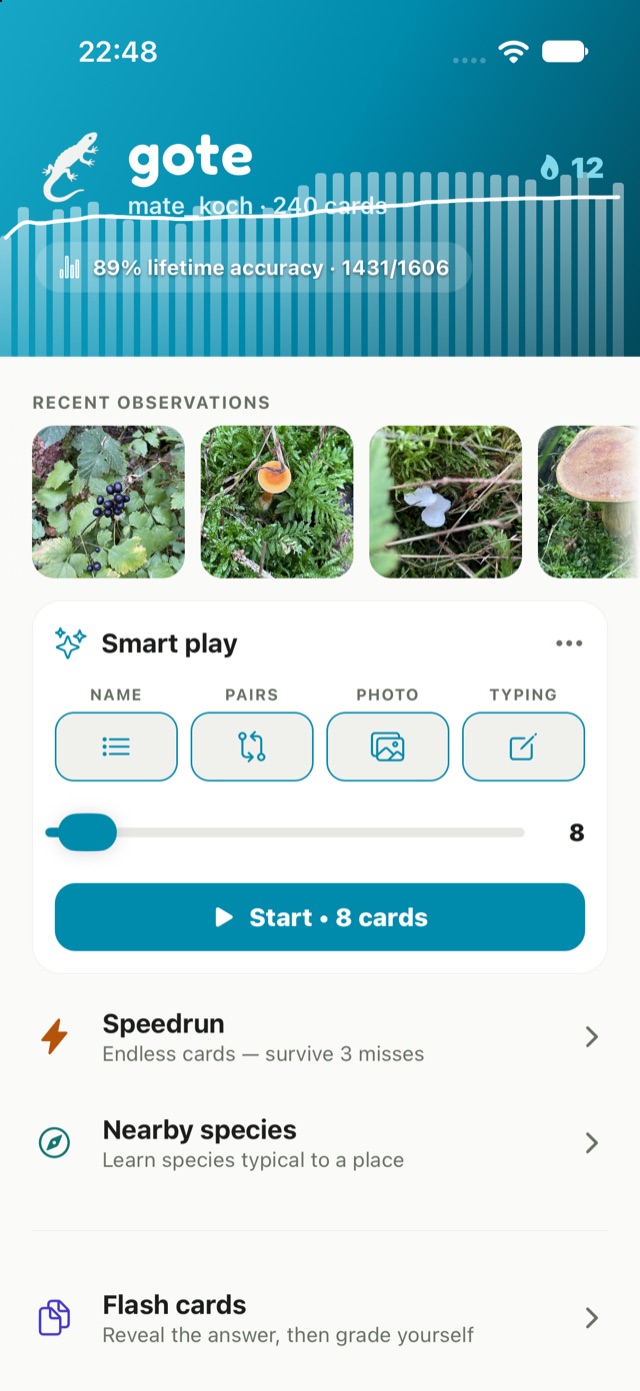
Your newest sightings sit at the top. Hit start, and gote works out what to ask: the name while a species is new, its photo once that’s easy, then the look-alike it hides behind. Know it cold and you just type it.
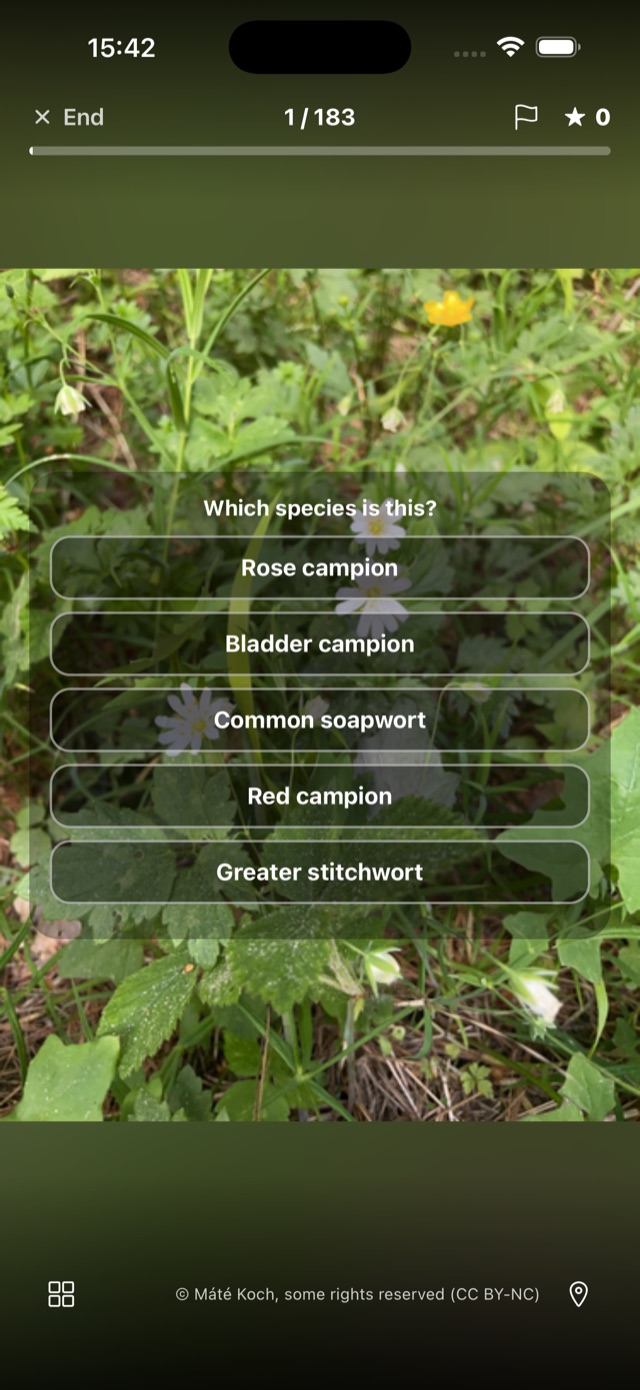
Every card is a real observation, with five believable options drawn from genuine look-alikes — so you learn the difference, not just the answer.
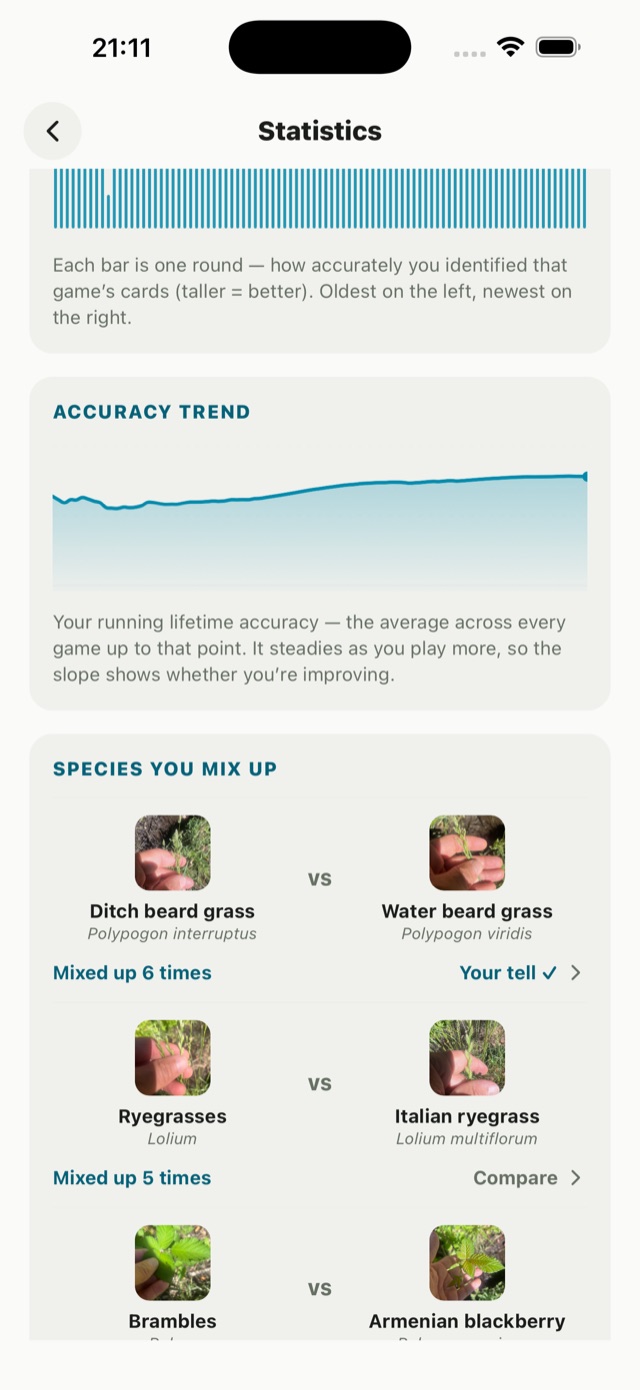
An accuracy line that climbs as you play, counted card by card so a one-card round can’t flatter it — and, right below it, the exact species pairs you keep mixing up, spotted from your own answers.
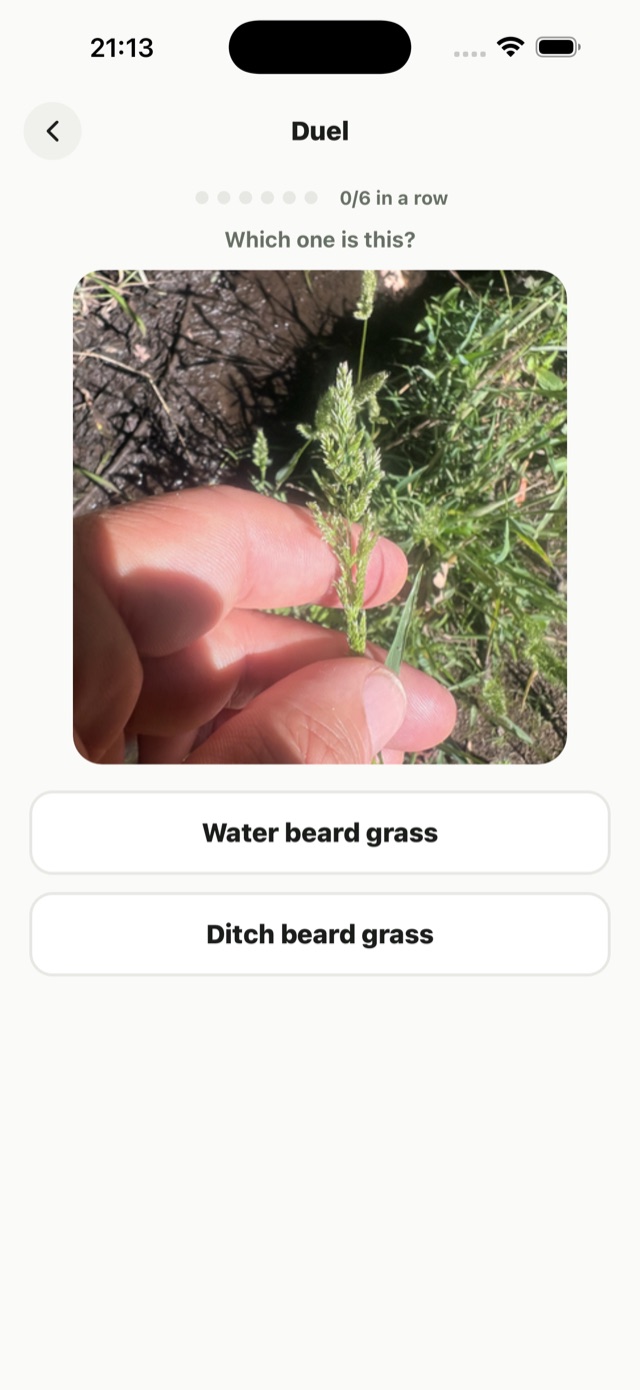
Turn your weak spots into practice. gote drills the species you keep confusing two-up — one photo, two names — until you can call them apart, and slips that pair back into later rounds on its own until it sticks. And once you know a species cold, it can swap in a fresh official photo, so you’re learning the species itself, not memorising one picture.
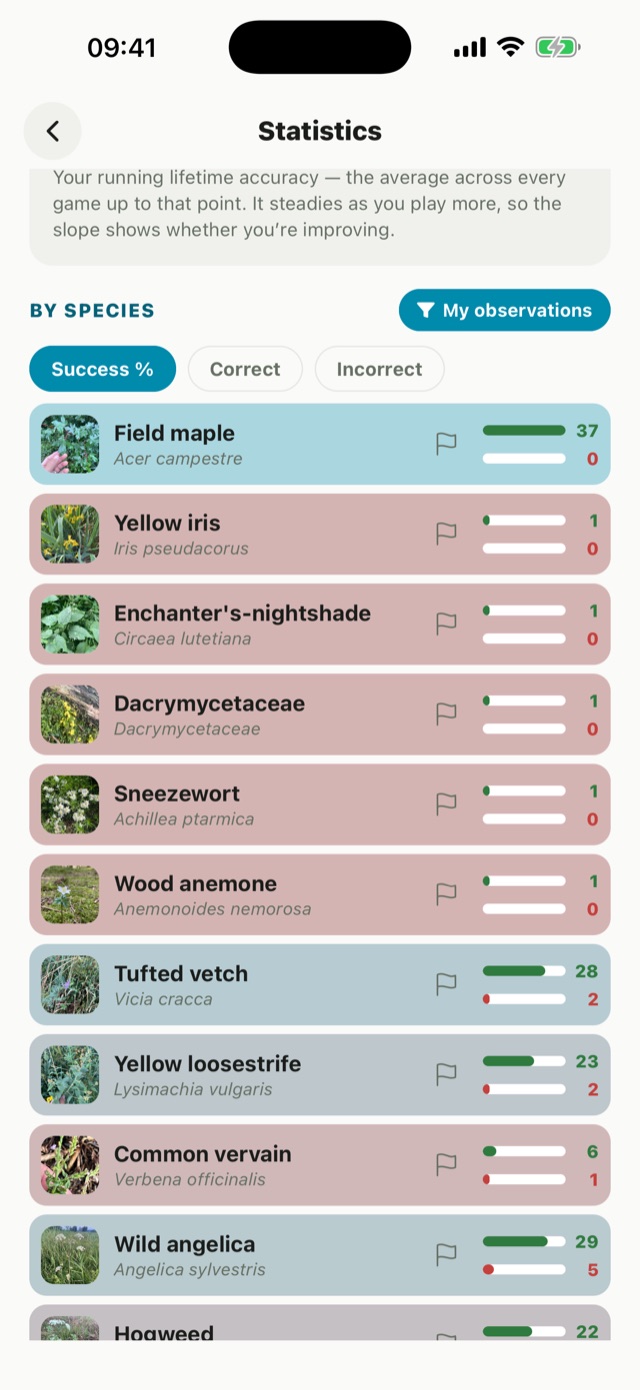
See exactly which ones you’ve nailed and which keep tripping you up — every right and wrong answer, ranked by how reliably you know each, so a species you’ve met once can’t claim the top spot.
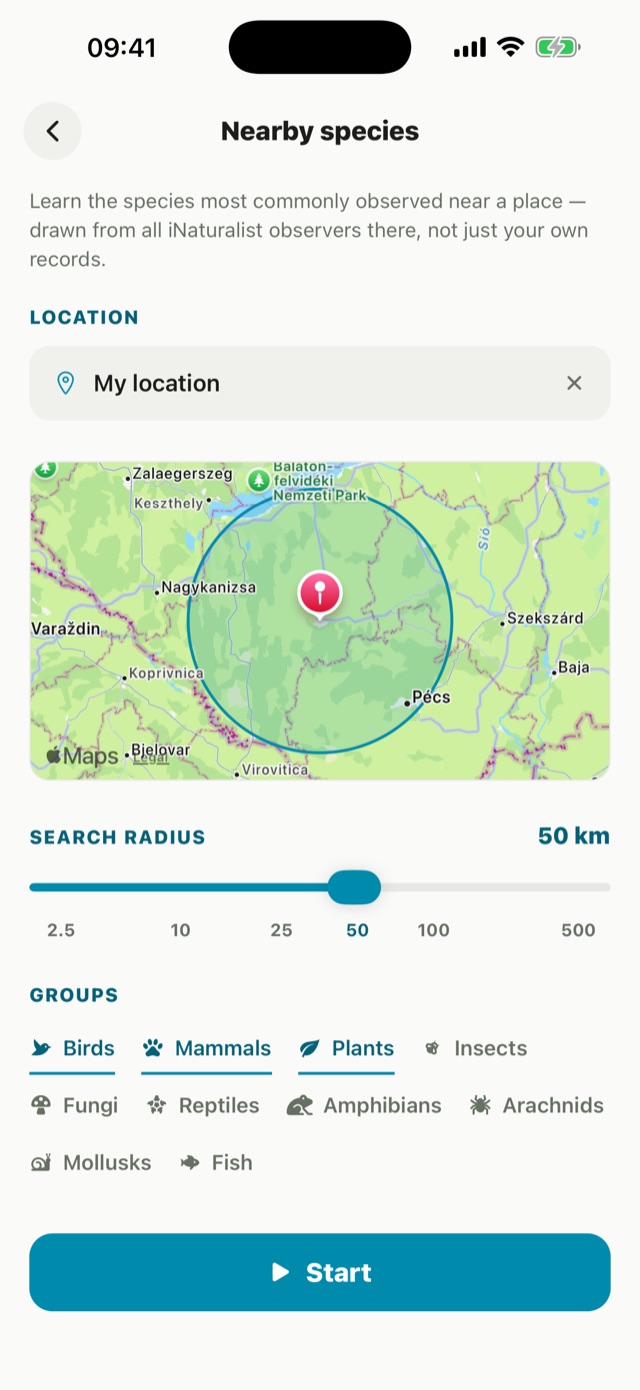
Drop a pin and study the species most commonly seen there — drawn from every iNaturalist observer around that spot, not just your own records.
Or play another way — speedrun against three lives, nearby species from any spot on the map, or flash cards you grade yourself. All from your own iNaturalist observations, or from what’s commonly seen around that spot.
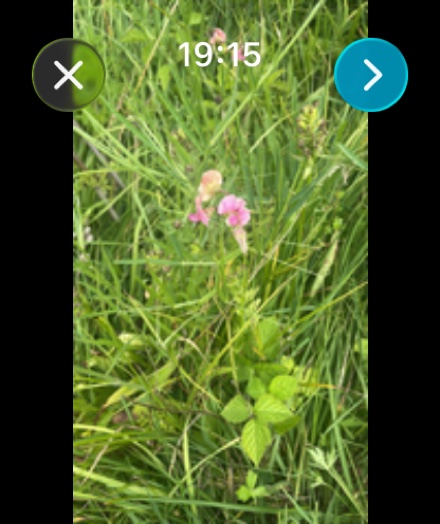
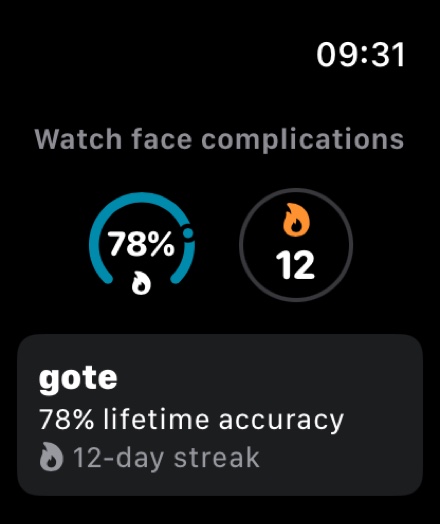
Play a quick round on your wrist, and keep your lifetime accuracy and streak right on your watch face.
A few features we’re planning — not in the app yet.
Build your own set — a local patch, a field trip, a class syllabus — and share it with anyone through a single link.
Compare a week’s score with friends, for anyone who learns faster with someone to beat.
The birders, the plant people, and anyone who’s ever crouched over something small and wondered what on earth it was.
gote is free, open-source and has no ads. If it’s useful to you, a small tip helps cover the running costs and keeps it growing.
Support gote on Ko-fi